How metal detectors work in detail
How metal detectors work in detail?

Metal detectors are fascinating devices used to locate metal objects hidden beneath the surface. Understanding how metal detectors work is essential for anyone interested in treasure hunting, security, or even archaeological exploration.

These devices operate by emitting electromagnetic fields, which interact with metal objects to help detect their presence.

Whether you are a beginner or an experienced hobbyist, knowing the technology behind how metal detectors work can enhance your overall experience and improve your detecting skills.

In this article, we will break down the process of metal detection and explain how these incredible tools help you uncover hidden treasures.

How metal detectors work in detail - From European Technology Group

Curious about how metal detectors work in detail? Explore the step-by-step process and learn their secrets. Start your journey to understanding today..

How metal detectors work in detail

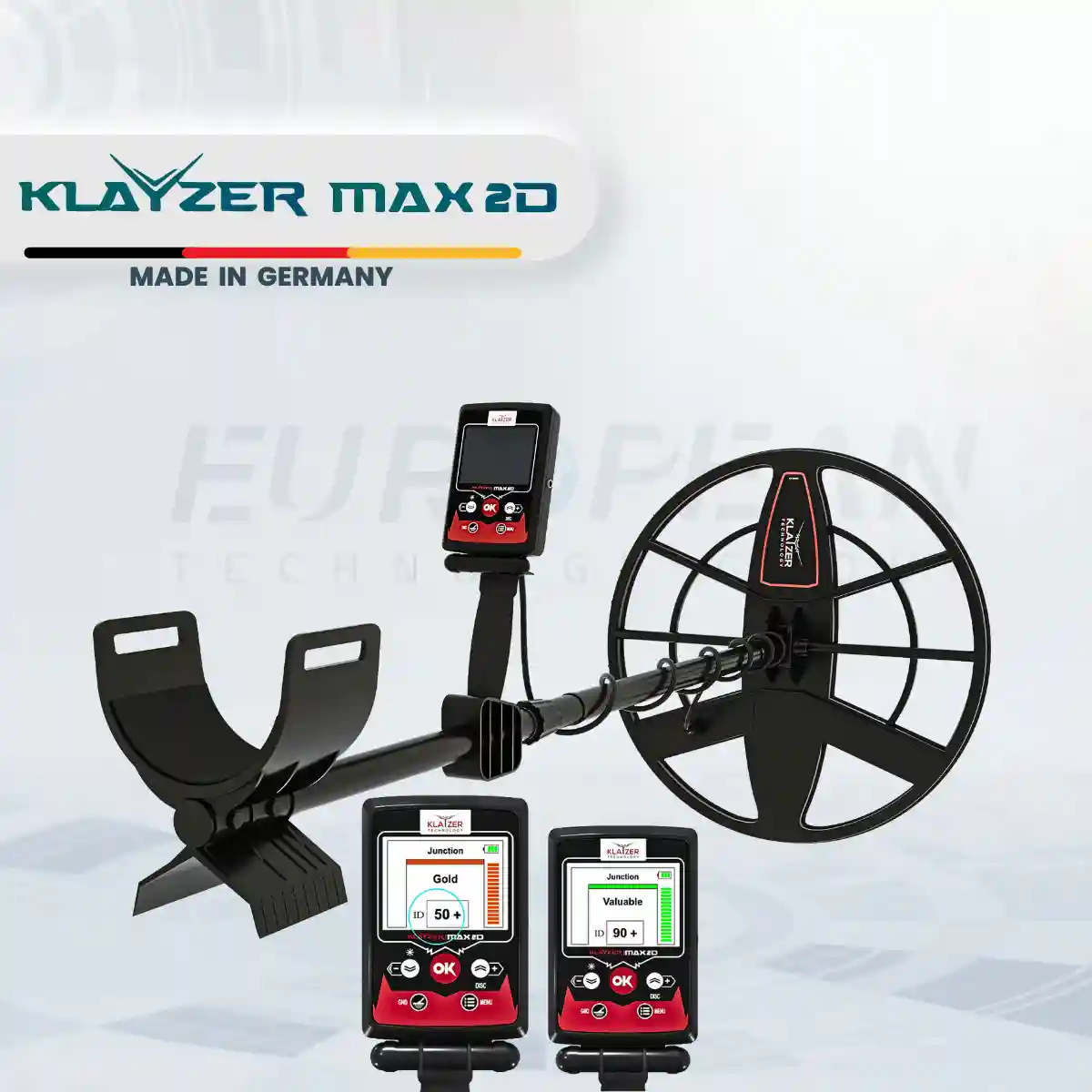
Klayzer Max 2D detector, It is a multi-purpose device wit...

How metal detectors work in detail

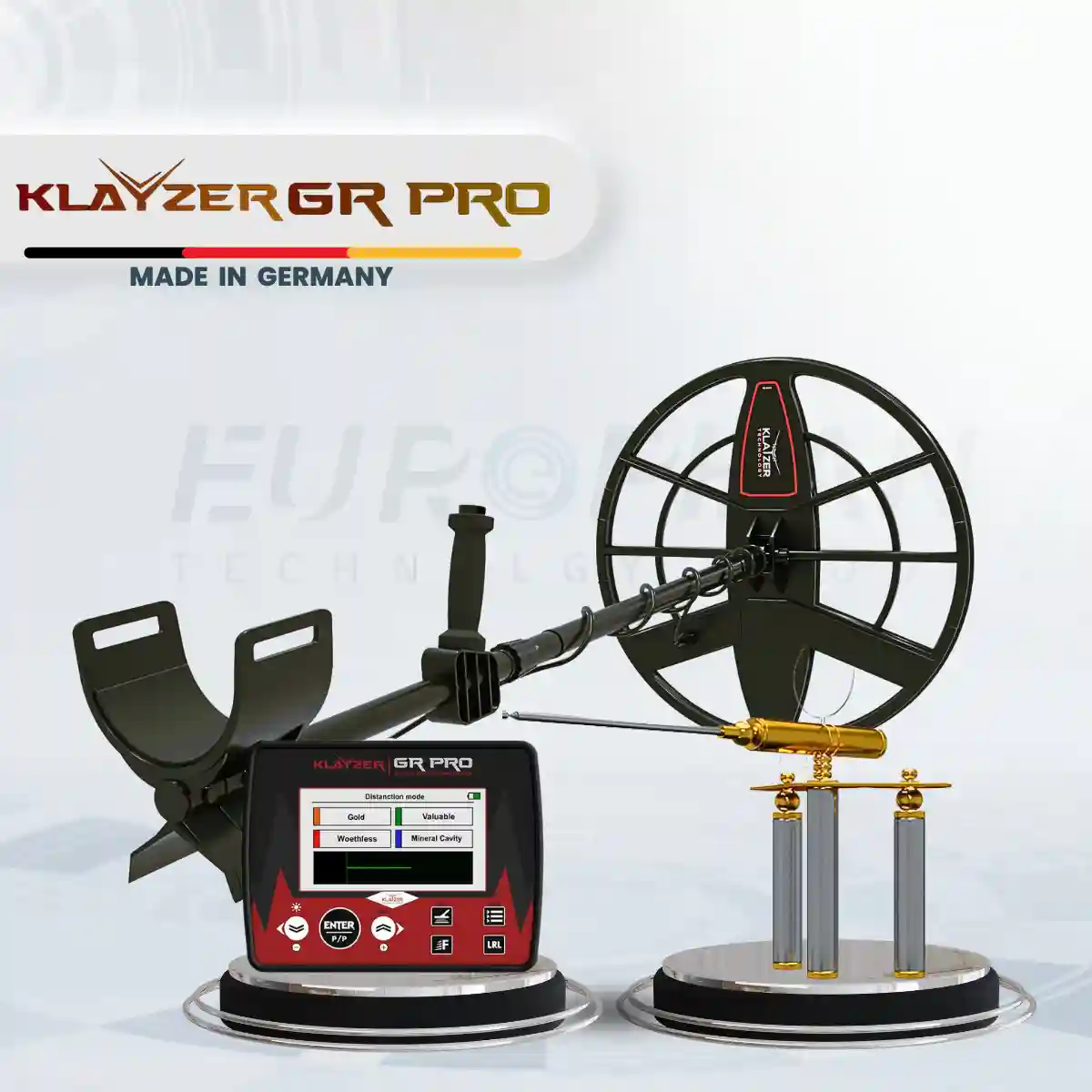
Are you thinking of one technology to detect gold, raw go...

How metal detectors work in detail | European Technology Group

Curious about how metal detectors work in detail? Explore the step-by-step process and learn their secrets. Start your journey to understanding today..

How metal detectors work in detail

The Basic Principles of How Metal Detectors Work

To understand how metal detectors work, it’s important to grasp the basic principles behind these fascinating devices. 
At their core, metal detectors operate using electromagnetic fields to detect metal objects hidden beneath the surface.

By comprehending the interaction between the detector's electromagnetic field and the metal objects, users can make the most of their equipment and improve their chances of finding hidden treasures.

Here's how it works in simple terms:

  • Electromagnetic Field Emission: The metal detector has a search coil that generates a magnetic field when powered on. This field is sent out into the ground as the detector is moved over it.
  • Interaction with Metal Objects: When the magnetic field encounters a metal object, the metal responds by generating its own magnetic field. This phenomenon is known as electromagnetic induction, where the metal creates a secondary magnetic field in return.
  • Detection of the Magnetic Field: The metal detector’s coil then picks up this secondary magnetic field. The detector senses this change and alerts the user with an audible sound or visual signal.
  • Signal Processing: The detector processes the received signal to determine the location and size of the metal object, helping the user to pinpoint its exact position.

Understanding how metal detectors work is crucial for efficient treasure hunting. 

How metal detectors work in detail

How Do Metal Detectors Work In Detail?

How do metal detectors work? Metal detectors operate based on the principles of electromagnetic induction.

These devices are designed to locate metal objects that are hidden beneath the ground or in other materials. By emitting electromagnetic fields, the detector interacts with metal objects to create a detectable magnetic response, which is then processed by the device's internal circuits.

Here’s a detailed look at the process of how metal detectors work:

1. The Basic Setup:

A metal detector has key components including the search coil, which emits and receives electromagnetic signals, and the control box, which processes these signals and provides feedback to the user.

2. Generation of an Electromagnetic Field:

When the metal detector is powered on, electrical current flows through the search coil, creating a magnetic field. 

This field is sent into the ground as the user moves the detector over the surface, penetrating the earth.

3. Interaction with Metal Objects:

When the magnetic field encounters a metal object, such as a coin or piece of jewelry, it induces a current in the metal. 

This causes the metal object to generate a secondary magnetic field, which then interacts with the original field sent out by the detector.

4. Detection of the Secondary Magnetic Field:

The metal detector’s coil picks up the secondary magnetic field created by the metal object. How do metal detectors work? 

They detect this change in the magnetic field, signaling the presence of metal to the user.

5. User Feedback:

Once the detector identifies a metal object, it provides feedback through audio signals or visual displays, alerting the user to the object’s presence.

6. Discrimination and Sensitivity:

Modern metal detectors allow users to adjust for different types of metals and varying ground conditions. 

Discrimination helps the detector identify the type of metal, while sensitivity settings allow users to detect objects at different depths.

7. Ground Balancing:

To avoid false signals caused by mineralized soil, many detectors have a ground balancing feature, which adjusts the detector’s sensitivity for more accurate readings.

In conclusion, how metal detectors work relies on the principles of electromagnetic induction to detect metal objects beneath the surface. .

How metal detectors work in detail

Types of Metal Detectors and Their Working Mechanisms

When exploring the world of metal detection, it's important to understand the different types of metal detectors and how metal detectors work in various ways.

There are several types of metal detectors, each designed to serve specific purposes, whether for treasure hunting, security screening, or industrial applications.

Below are the main types of metal detectors and their working mechanisms:

1. Very Low Frequency (VLF) Metal Detectors:

VLF detectors are the most common type used by hobbyists and treasure hunters. These detectors use a single coil to emit and receive electromagnetic signals. 

How do metal detectors work in VLF models? They send out a continuous electromagnetic field that interacts with metal objects, causing them to emit their own magnetic fields. 

The detector then picks up the returned signal and processes it to identify the metal object. 

VLF detectors are ideal for finding small objects, including coins and jewelry, and are effective at distinguishing between different types of metals.

2. Pulse Induction (PI) Metal Detectors:

Pulse induction detectors use a different method, emitting short bursts or pulses of energy. 

These pulses are sent into the ground, and when they hit a metal object, they create a brief magnetic field that is detected by the machine. 

How do metal detectors work in PI models? These detectors work by measuring the time it takes for the pulse to return after interacting with metal, helping to identify deeper objects. 

PI detectors are particularly useful in highly mineralized soils or saltwater environments, where other types may struggle to perform well.

3. BFO (Beat Frequency Oscillation) Metal Detectors:

BFO detectors are simpler in design and are often used in entry-level models. 

They work by sending an alternating current through two coils: a transmitter coil and a receiver coil. 

The two coils are tuned to different frequencies. When a metal object is detected, the frequency between the two coils changes, producing an audible sound or signal for the user. 

While BFO detectors are more affordable, they are less sensitive and offer fewer features than VLF or PI models.

4. Induction Balance (IB) Metal Detectors:

Induction balance detectors use two coils to create a balanced electromagnetic field. 

When metal objects are detected, the balance of the field is disrupted, and the detector alerts the user. 

How do metal detectors work in IB models? These detectors are very accurate and often used in higher-end machines. 

They excel in distinguishing different types of metals and can also work well in various soil conditions, making them versatile and effective for both beginners and professionals.

5. Ground Search Metal Detectors:

Ground search metal detectors are designed specifically for detecting metal objects buried underground. 

These detectors use advanced technologies, often incorporating a combination of VLF and PI systems, to detect deeper objects in challenging conditions like mineralized or wet soil. 

How do metal detectors work in ground search systems? They combine the features of multiple technologies to ensure maximum sensitivity and accuracy, making them ideal for deep treasure hunting or archaeological applications.

6. Hand-Held Metal Detectors:

These are small, portable detectors primarily used for security purposes, such as screening at airports or events. 

Hand-held metal detectors work by sending out a small electromagnetic field and detecting the reflection from metal objects. 

They are often used to find concealed metal objects on a person, offering a quick and effective solution. 

How do metal detectors work in these hand-held models? They operate similarly to other detectors but are designed for high portability and convenience.

How metal detectors work in detail

How metal detectors work? Overview

Metal detectors are tools designed to detect the presence of metal objects beneath the ground or in other materials.

They work by using a combination of electromagnetic fields and sensors to identify metallic objects hidden from view.

When a metal object is detected, the device alerts the user with an audible sound, visual display, or both.

How metal detectors work in detail

Tips for Using a Metal Detector Effectively

Using a metal detector effectively can make a huge difference in your search for treasures.

Whether you're a beginner or an experienced treasure hunter, following a few key tips will help you maximize your chances of success.

Below are some useful tips to consider when using a metal detector, with a focus on getting the best out of your purchase from the European Group Store.

1. Understand Your Metal Detector:

Before heading out, make sure you thoroughly read the manual of your metal detector. 

Each model, such as the ones available from the European Group Store, has its own set of features and settings. 

Spend time learning how to adjust the sensitivity, discrimination, and ground balance. 

Understanding how metal detectors work and the features of your device will make your searches more productive.

2. Choose the Right Location:

Choosing the right location is critical to success. Popular areas like beaches, parks, and old homesites are great places to start. 

When using a metal detector from the European Group Store, remember that these locations may have more metal debris, but they are also where hidden treasures are most often found. 

Focus on areas that are less likely to be heavily searched by others.

3. Adjust Settings for Optimal Performance:

Every environment is different, so adjust your metal detector’s settings accordingly. 

If you’re in an area with highly mineralized soil, use the ground balancing feature to avoid false signals. 

Additionally, increase the sensitivity in open spaces where you’re looking for deeper objects. Properly setting your device will improve the accuracy of your finds.

4. Sweep Slowly and Methodically:

When you're scanning an area, make sure to move your metal detector slowly and in a consistent pattern. 

Sweeping too fast will result in missed targets, while sweeping too slowly might cause unnecessary overlap. 

Move the search coil side to side in a controlled, overlapping pattern to maximize your chances of detecting hidden metals.

5. Use the Discrimination Feature:

Most modern detectors, including those from the European Group Store, come with a discrimination feature that helps you filter out unwanted metals like trash. 

For example, you can set your detector to ignore signals from nails or aluminum cans, allowing you to focus on more valuable finds. 

Learn how to fine-tune this feature to improve your metal hunting experience.

6. Check Your Signals:

When your detector gives a signal, don’t rush to dig immediately. 

Always check the signal strength and the tone of the beep. If the signal is weak or inconsistent, it could be a small object or trash.

Strong and consistent signals are more likely to indicate a valuable item.

7. Pinpointing Your Target:

Once you get a signal, use the pinpointing feature to zero in on the exact location of the object. 

By narrowing down the area where the target is located, you can minimize digging and avoid disturbing the surrounding soil unnecessarily.

8. Practice Patience:

Treasure hunting requires patience. Not every search will yield valuable finds. However, persistence pays off, and with each search, you’ll learn more about how metal detectors work and become better at detecting valuable items.

9. Maintain Your Metal Detector:

Take care of your metal detector, especially if you’ve purchased it from the European Group Store. Regular maintenance ensures its longevity and accuracy. 

Clean the coil and check the cables for wear and tear. Make sure the battery is always fully charged or replace it when necessary. 

Proper care helps maintain peak performance, ensuring that your detector continues to deliver great results.

10. Be Respectful and Follow Local Laws:

When using a metal detector, always respect private property and follow local regulations. 

Always ask for permission before hunting on someone else’s land. 

Additionally, be aware of any laws regarding the discovery and ownership of historical artifacts, especially if you’re searching in areas with cultural or historical significance.

Frequently Asked Questions

Some of your questions and inquiries about How metal detectors work in detail

What is the basic principle behind how metal detectors work?

Metal detectors work using electromagnetic induction, where a coil generates an electromagnetic field and detects disturbances caused by metal objects.

What are the main components of a metal detector?

Metal detectors typically include a search coil, control box, speaker, and power source, all working together to detect metal objects.

How does a metal detector differentiate between different types of metals?

Advanced metal detectors use a feature called discrimination, which identifies the conductivity of different metals to distinguish between them.

What kinds of materials can metal detectors detect?

Metal detectors can detect metals like iron, aluminum, copper, gold, silver, and steel, depending on the device's sensitivity and settings.

Conclusion

By following these tips and using the high-quality metal detectors available at the European Group Store, you can enhance your treasure hunting experience and increase your chances of finding hidden treasures. The right equipment, knowledge, and patience will lead to successful metal detecting adventures.

Read Also:
Comments (0)

European Technology Group
Do not hesitate to contact us anytime
Karlsruher Str. 18, 30880 Laatzen, Germany
info@eurodetector.com
Get in Touch

Our international sales department will contact you immediately

Best Offers

Some of products that our customers usually buy

Eng. Sami
Typically replies directly
Eng. Sami
Hi there 👋

How can we help?
Start Chat