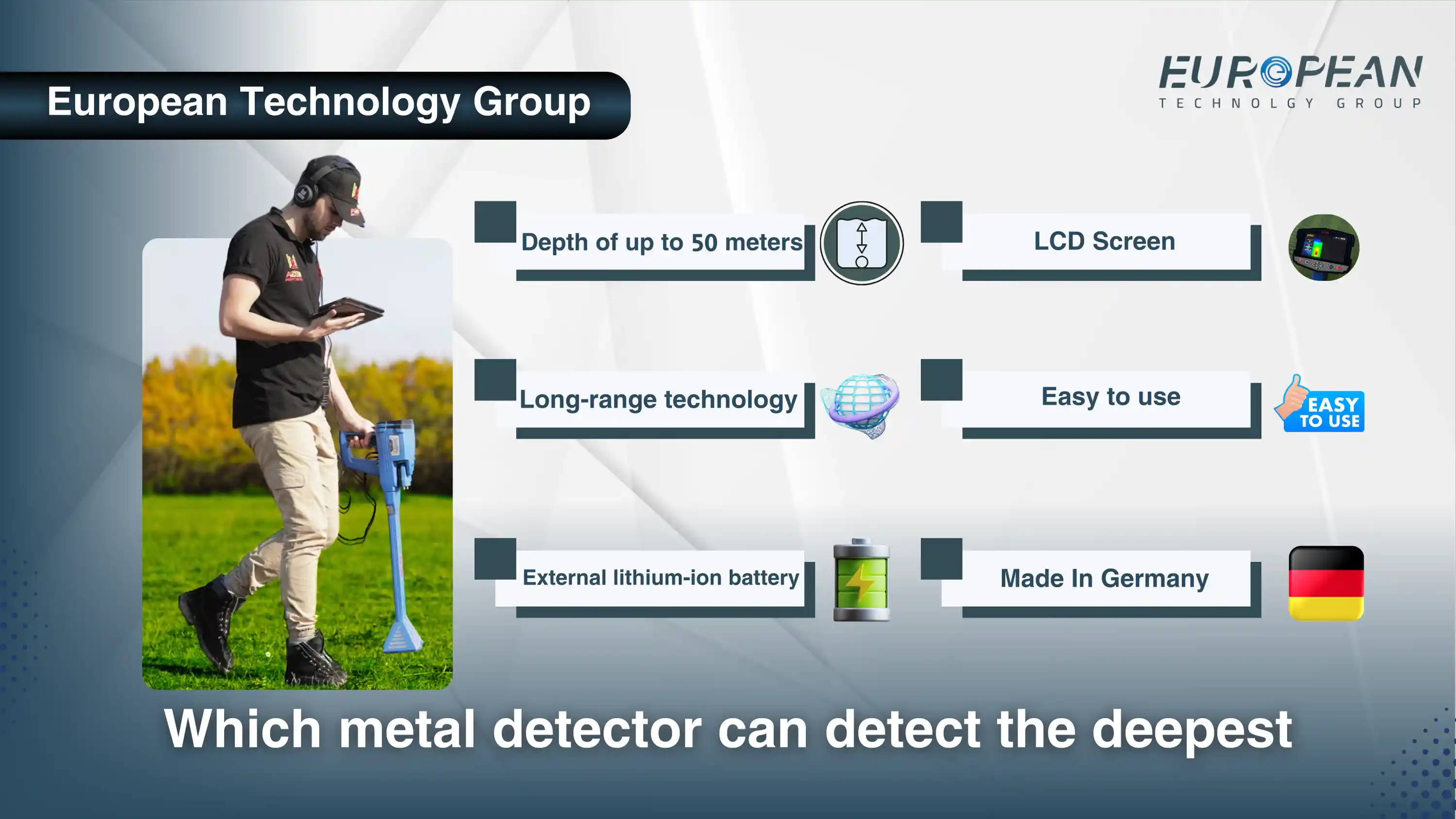
Which metal detector can detect the deepest
Depth Detection in Metal Detectors

Imagine uncovering hidden treasures and ancient relics that have been buried underground for centuries. With the latest advancements in depth detection technology, our metal detectors are your key to unlocking these secrets. Whether you're a hobbyist or a professional archaeologist, understanding how depth detection works can transform your searching experience.

Depth detection in metal detectors uses sophisticated sensors and algorithms to penetrate the ground more deeply than ever before. This technology measures the magnetic response of objects buried in the soil, distinguishing between different metals and depths. The deeper the detector can sense, the more likely you are to find something truly valuable and historically significant.

Which metal detector can detect the deepest - From European Technology Group

When it comes to metal detecting, enthusiasts are always on the lookout for the most effective and efficient tools. ...

Which metal detector can detect the deepest

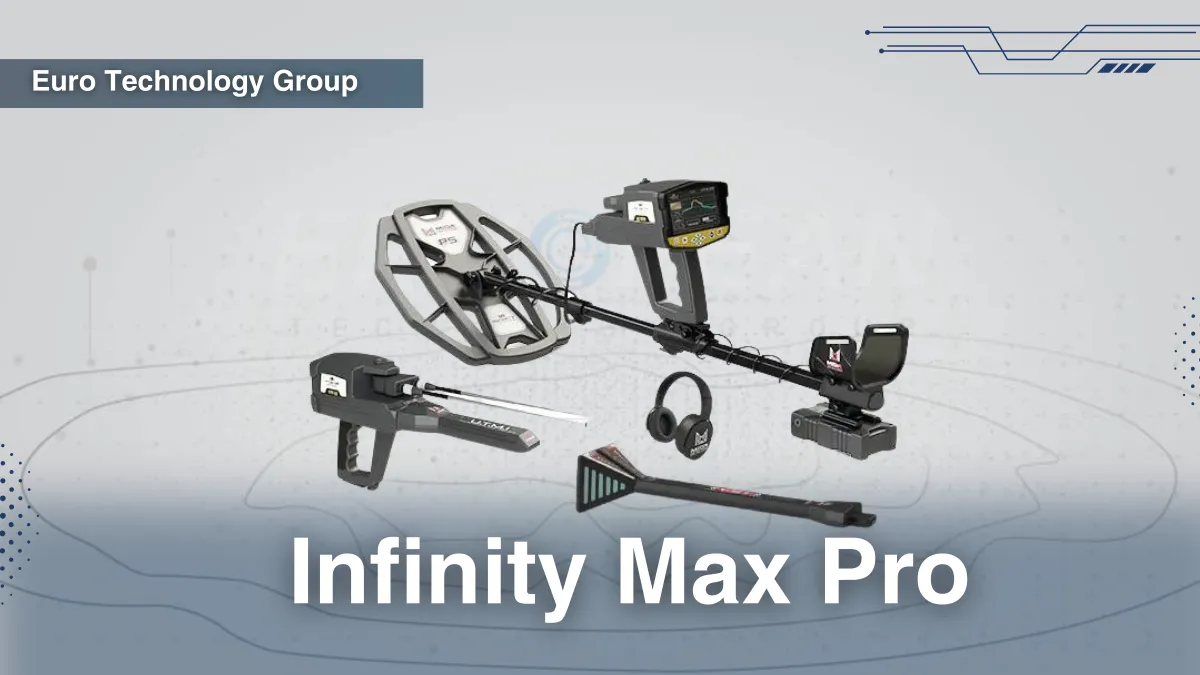
The InfiniMax Pro device integrates all metal detection t...

Which metal detector can detect the deepest

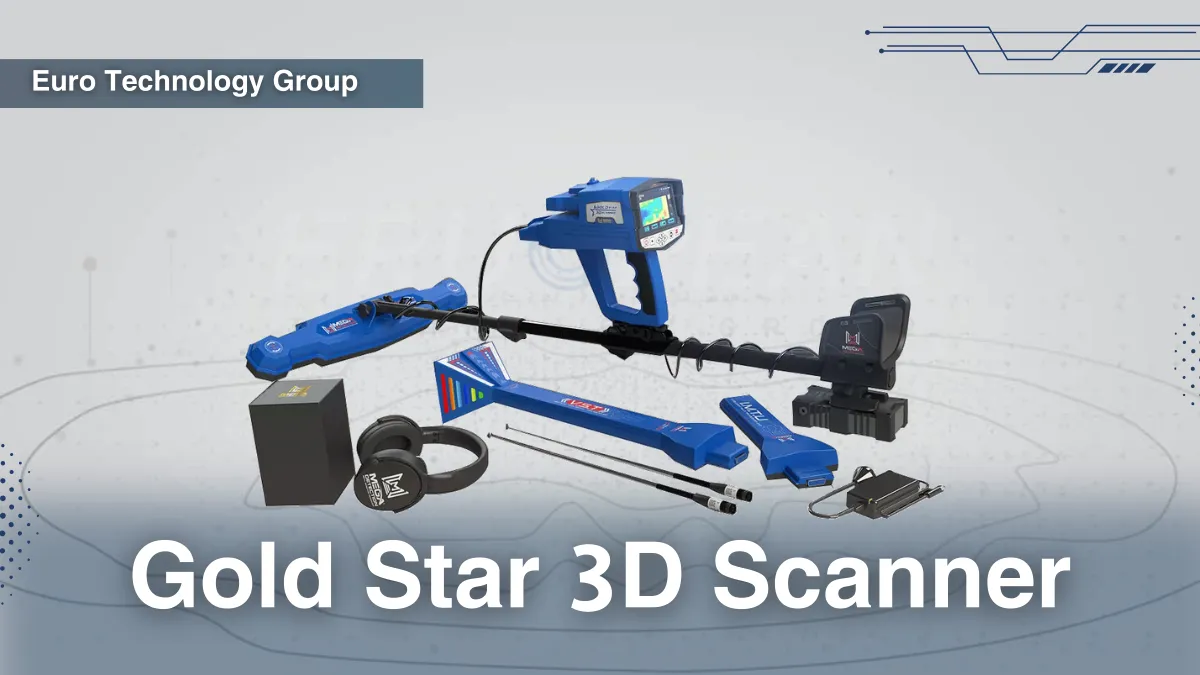
Gold Star 3D Scanner is the first entry in a new range of...

Which metal detector can detect the deepest

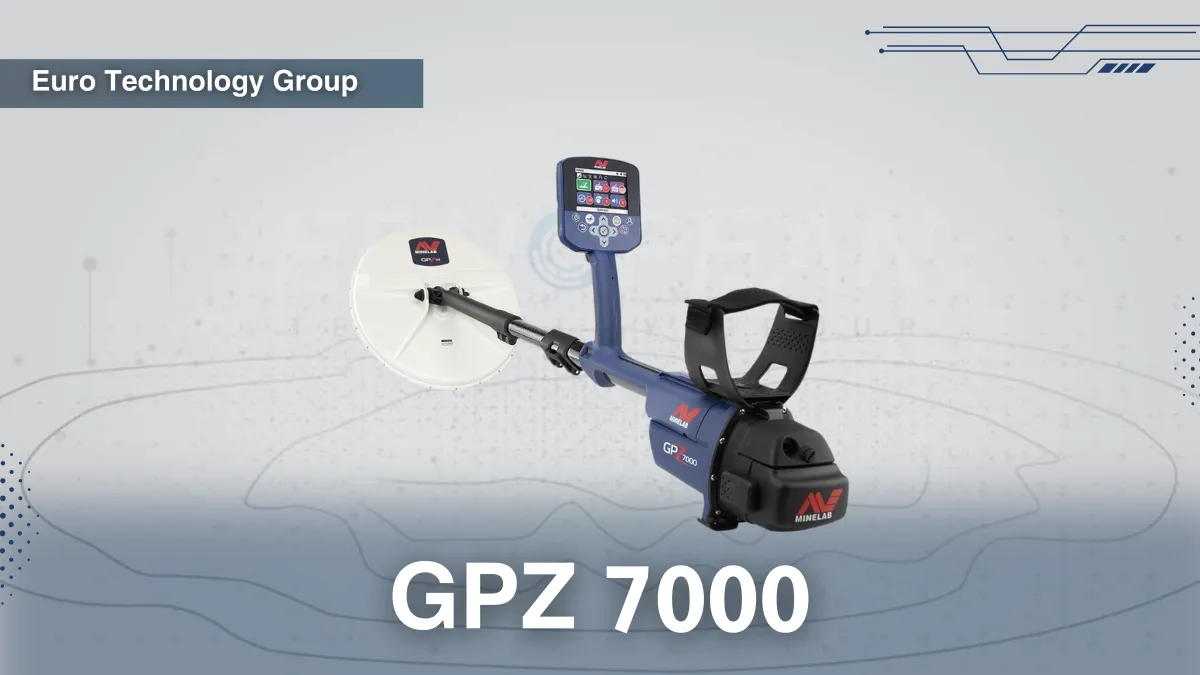
GPZ 7000 gold detector for sale from Minelab brand, one o...

Which metal detector can detect the deepest | European Technology Group

When it comes to metal detecting, enthusiasts are always on the lookout for the most effective and efficient tools. ...

Which metal detector can detect the deepest

Which metal detector can detect the deepest?

When exploring the capabilities of metal detectors, one of the most common questions is, "Which metal detector can detect the deepest?" The answer to this isn't straightforward and hinges on multiple critical factors.

First, the frequency of operation plays a pivotal role; lower frequencies typically penetrate deeper, making them ideal for finding larger objects buried at greater depths.

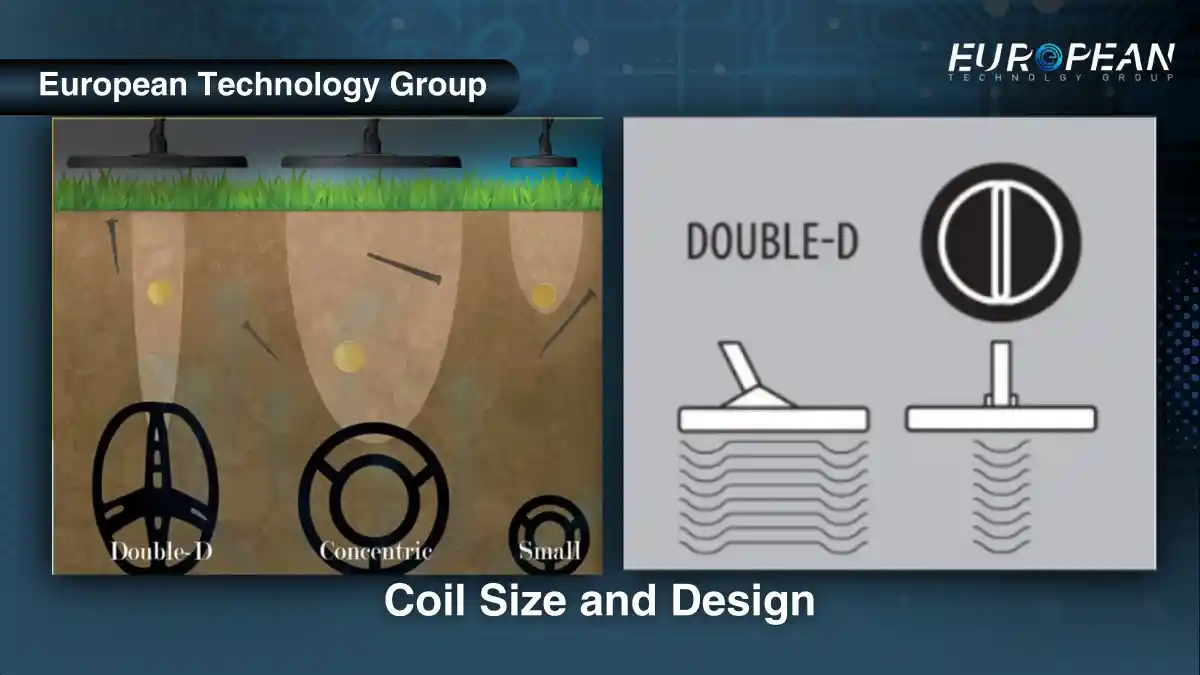
Additionally, the size and design of the coil are crucial—larger coils cover more ground and can detect objects deeper in the soil, although they may sacrifice some sensitivity to smaller items.
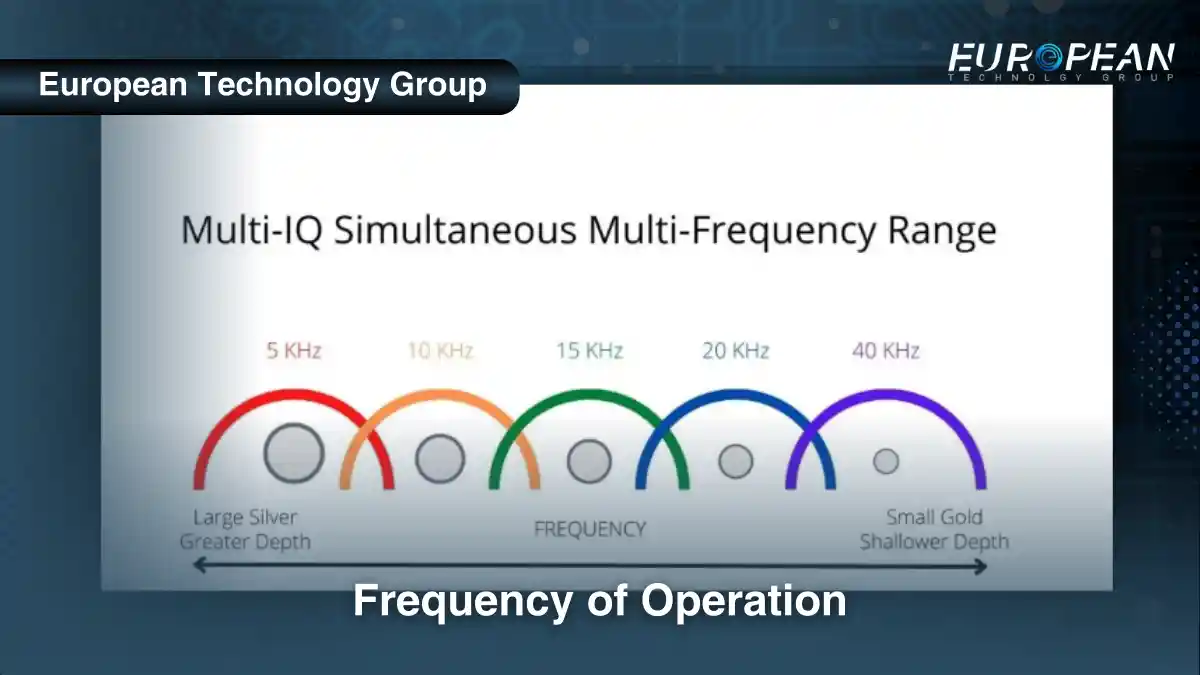
Frequency of Operation

Metal detectors operate at different frequencies, with some designed for low-frequency operation and others for high-frequency operation. 

Generally, low-frequency detectors tend to offer deeper detection capabilities compared to high-frequency ones. 

This is because low-frequency signals penetrate the ground more effectively, reaching greater depths before returning a signal.

Frequency of Operation

Coil Size and Design

The size and design of the search coil also play a significant role in depth detection. 

Larger coils can cover more ground and penetrate deeper into the soil, increasing the likelihood of detecting targets buried at greater depths. 

Additionally, concentric coils are known for their deeper detection capabilities compared to other coil types.

Coil Size and Design

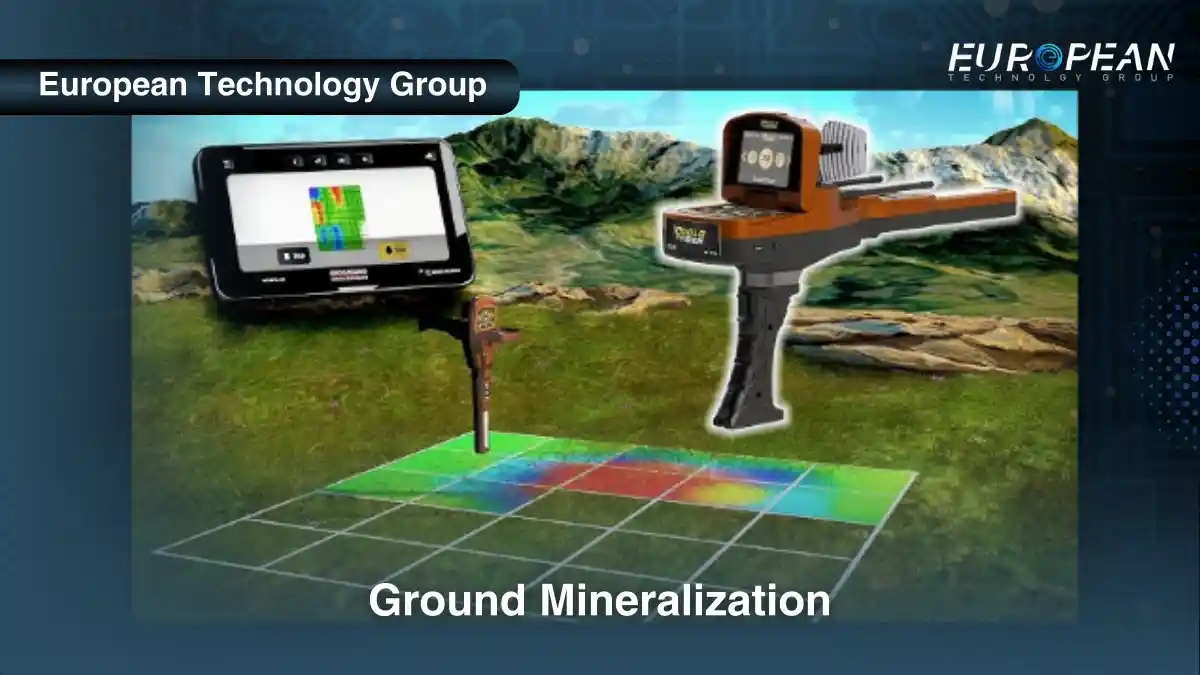
Ground Mineralization

The mineral composition of the soil can affect a metal detector's performance, particularly its depth detection capabilities. 

The highly mineralized ground can interfere with the detector's signal and limit its depth penetration. 

Therefore, detectors with ground balancing features or advanced ground rejection technology are preferred for detecting in mineralized soil conditions.

Ground Mineralization

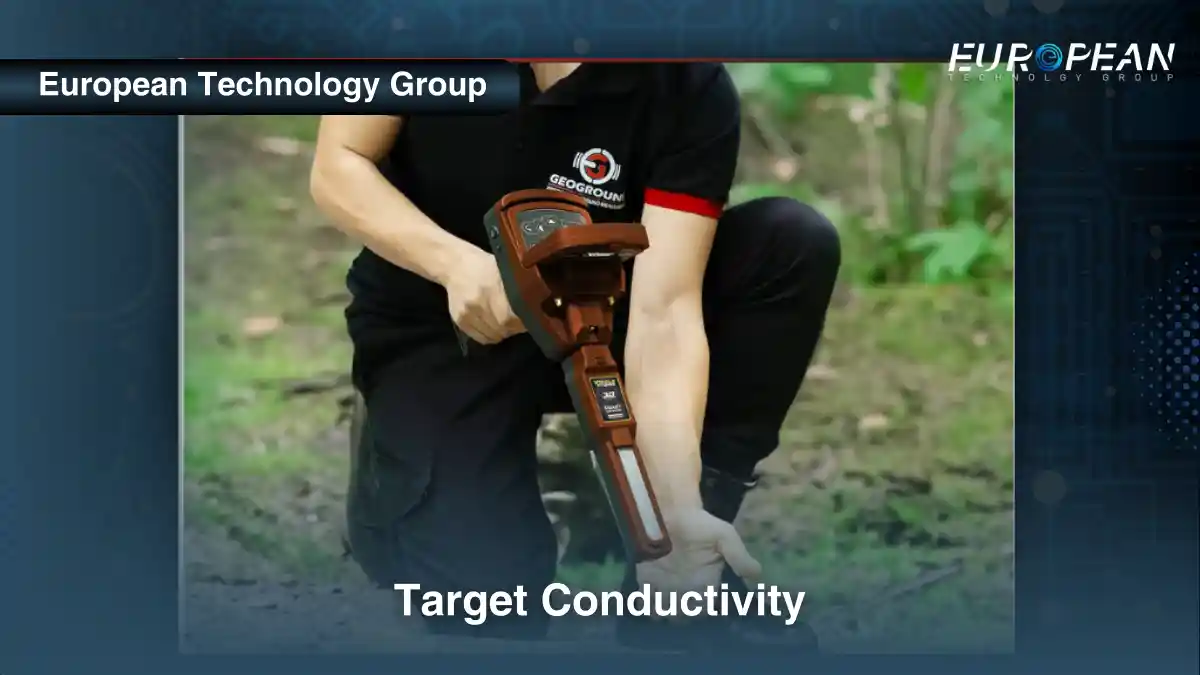
Target Conductivity

The conductivity of the target metal influences how effectively it responds to the metal detector's electromagnetic field. 
Highly conductive targets, such as coins or jewelry made of precious metals, are easier to detect at greater depths compared to less conductive targets like iron or aluminum.

Target Conductivity
Which metal detector can detect the deepest

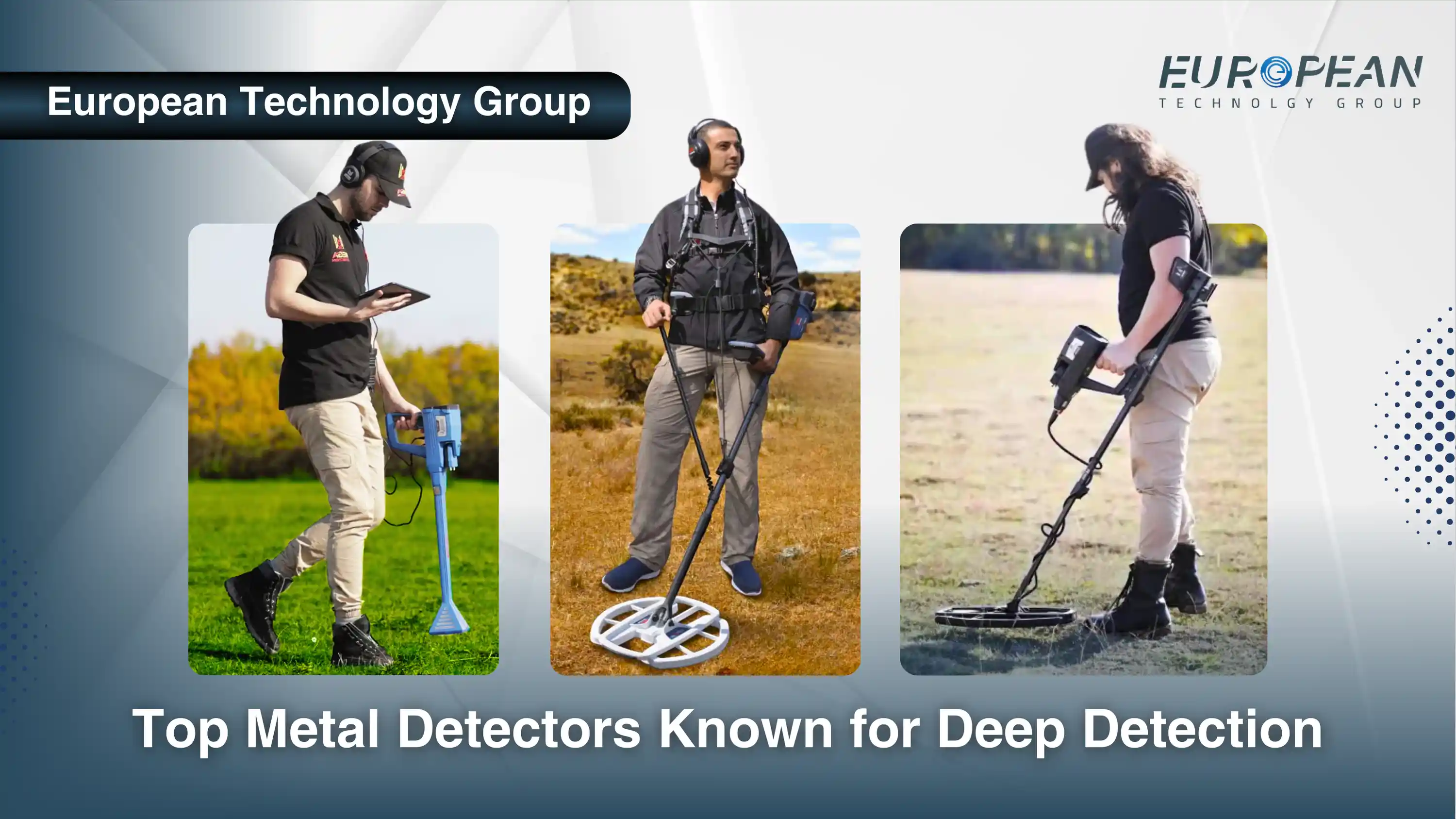
Top Metal Detectors Known for Deep Detection

These elite detectors often incorporate advanced technologies such as multi-frequency detection, which allows them to operate across different frequencies simultaneously, enhancing their ability to detect both large and small objects at greater depths. Additionally, features like enhanced ground balance controls and adjustable sensitivity settings help them adapt to high-mineralization environments, where standard detectors might falter.

Precision engineering in coil design also plays a crucial role, with larger and more sophisticated coils providing broader and deeper detection capabilities.

By understanding the key attributes and functionalities of these top-tier metal detectors, enthusiasts and professionals alike can significantly boost their chances of discovering valuable metals buried deep beneath the surface.

Infinity Max Pro

Designed for extreme environments, the Infinity Max Pro offers impressive depth detection in various soil conditions, including highly mineralized ground and saltwater beaches. Its pulse induction technology ensures reliable performance at greater depths.

Minelab GPZ 7000

Renowned for its exceptional depth detection capabilities, the Minelab GPZ 7000 utilizes advanced pulse induction technology to penetrate deep into the ground, making it ideal for detecting gold nuggets and valuable artifacts buried at significant depths.

Gold star 3d scanner

As its name suggests, the gold star 3d scanner is specifically engineered for deep detection, offering unparalleled depth penetration in both non-ferrous and ferrous targets. Its three-dimensional imaging capability provides valuable insights into buried targets' size and depth.

Frequently Asked Questions

Some of your questions and inquiries about Which metal detector can detect the deepest

What is the deepest depth of a metal detector?

The majority of metal detectors have the capability to detect coins at an average maximum depth ranging from 10 to 16 inches. These devices utilize radio frequency signals emitted from the search coil to locate targets, reaching depths of over 20 feet for larger treasures buried deep beneath the surface.

What is the most deep metal detector?

The Infinity Max Pro stands out in the realm of metal detectors for its cutting-edge technology and distinctive features. Tailored for deep treasure hunting and archaeological purposes, Infinity Max Pro boasts unparalleled imaging and discrimination capabilities, earning it widespread recognition.

What is the maximum depth that metal detectors can pick up a signal?

A typical mid-range metal detector has the capacity to detect targets at depths of up to, and frequently exceeding one foot. This equates to approximately 300 millimeters for those who prefer metric measurements over imperial units.

How can I maximize my metal detector's depth detection performance?

To maximize depth detection performance, choose a metal detector with advanced features tailored to deep detection, such as pulse induction technology, ground balancing capabilities, and large search coils.

Are there specific metal detectors designed for deep detection?

Yes, several metal detectors, such as the Minelab GPZ 7000, Gold Star 3d scanner, and Infinity Max Pro, are renowned for their deep detection capabilities.

Conclusion

When choosing a metal detector capable of detecting the deepest, it's essential to consider factors such as frequency of operation, coil size and design, ground mineralization, and target conductivity. By selecting a detector equipped with advanced features and technologies tailored to deep detection, enthusiasts can maximize their chances of uncovering valuable treasures hidden beneath the surface.

Read Also:
Comments (0)

European Technology Group
Do not hesitate to contact us anytime
Karlsruher Str. 18, 30880 Laatzen, Germany
info@eurodetector.com
Get in Touch

Our international sales department will contact you immediately

Best Offers

Some of products that our customers usually buy

Eng. Sami
Typically replies directly
Eng. Sami
Hi there 👋

How can we help?
Start Chat